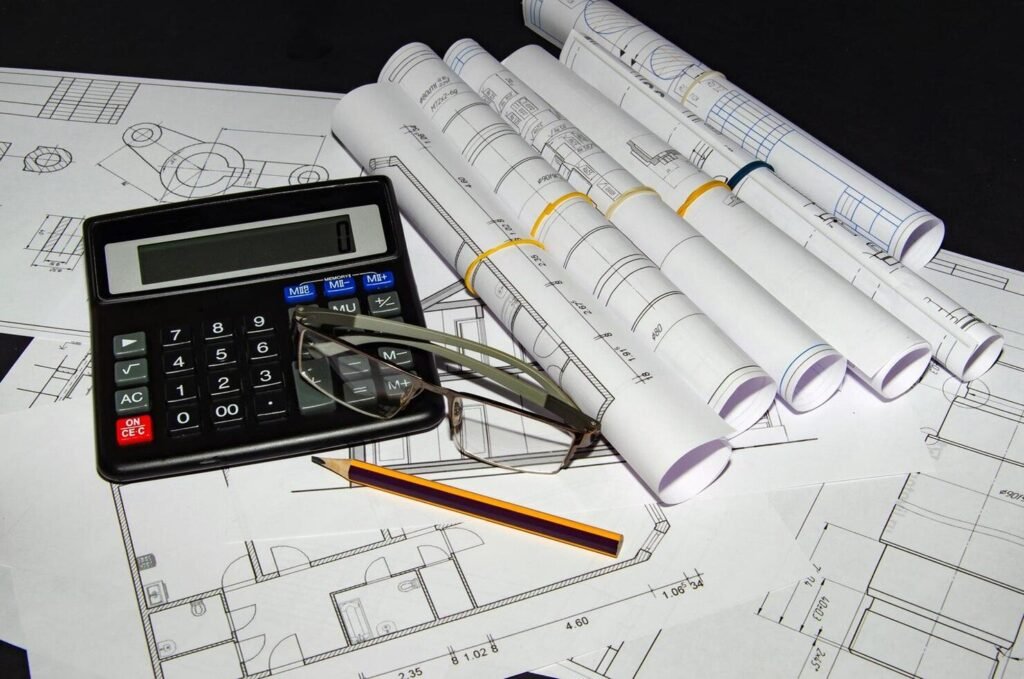
The UK construction industry in 2026 is more competitive than ever. Material prices fluctuate. Labour costs continue to rise. Clients demand transparency and accuracy. Margins remain tight. In this environment, small estimating mistakes can destroy profitability.
Construction takeoff is the foundation of every tender. It determines how much concrete, steel, timber, plasterboard, piping, and other materials you will need. If your quantities are wrong, your pricing will be wrong. If your pricing is wrong, your profit disappears.
Many contractors focus heavily on site performance but underestimate the importance of accurate takeoff. They rush the measurement. They rely on outdated methods. They skip review steps. These mistakes seem small at first. However, across multiple projects, they can cost tens of thousands of pounds each year.
This guide explains the 12 most common construction takeoff mistakes UK contractors make. More importantly, it shows you exactly how to fix them. If you apply these solutions, you will improve bid accuracy, protect profit margins, and increase your win rate.
Why Construction Takeoff Errors Are So Expensive in the UK
Construction errors are expensive everywhere, but in the UK, the financial impact is even greater.
First, material prices are unstable. Timber, steel, insulation, and concrete costs can change quickly. If your quantity estimate is even 5 percent off, you could lose thousands of pounds.
Second, labour costs are high. When material shortages occur due to underestimation, labour teams wait. Idle time increases project costs.
Third, the UK tender market is highly competitive. If you overestimate quantities to “stay safe,” your bid becomes uncompetitive. You lose the project.
Fourth, many contracts include penalties for delays. Underestimating materials can cause late deliveries and extended timelines.
A minor miscalculation in foundation concrete might cost £3,000 on one job. Multiply that across five projects, and you lose £15,000 in a year. These losses compound silently.
Now let us examine the most damaging mistakes and how you can avoid them.
The 12 Costly Construction Takeoff Mistakes
These 12 mistakes may seem small at first, but they create serious financial damage over time.
Each error directly affects your pricing accuracy, profit margin, and bid competitiveness.
If you identify and fix these issues early, you protect your business from avoidable losses.
Mistake 1: Relying Only on Manual Measurements
Many contractors still use printed drawings and scale rulers. This method is slow and error prone.
Human measurement mistakes are common. You may misread scale. You may double count sections. You may skip hidden details.
Manual takeoff also limits how many tenders you can prepare each month.
How to Fix It
Switch to digital takeoff software. Digital tools allow precise measurement. They reduce calculation errors. They also store data for review.
Even basic digital tools can significantly improve accuracy and speed.
Mistake 2: Ignoring Waste Factors
Every material produces waste. Timber cutting creates offcuts. Tiles break. Plasterboard has trim losses. Insulation requires overlaps.
Many contractors forget to add proper waste allowances. They calculate exact dimensions but ignore real site conditions.
How to Fix It
Apply trade specific waste percentages. For example:
Timber framing may require 10 percent waste.
Tiles may require 5 to 15 percent depending on layout.
Plasterboard often requires 5 to 10 percent.
Base your waste factor on project type. Document it clearly.
Mistake 3: Using Outdated Drawing Revisions
Design changes happen frequently. Architects update drawings. Engineers revise structural layouts.
If you perform takeoff on an outdated revision, your quantities become inaccurate.
How to Fix It
Always confirm the latest drawing revision before starting takeoff. Check revision numbers and issue dates.
Before submitting your bid, verify that no updated drawings were released.
Mistake 4: Missing Small Components
Small items often get overlooked. Connectors, brackets, fasteners, fixings, and trims may seem minor. However, they add up.
Missing small components affects both material and labour cost.
How to Fix It
Use a checklist system for each trade. Break takeoff into categories. Do not rely on memory.
Structured systems prevent omissions.
Mistake 5: Incorrect Unit Conversions
Mixing square metres and square feet creates serious errors. Confusing linear metres with cubic metres also causes problems.
Unit mistakes can inflate or reduce quantities significantly.
How to Fix It
Standardise units before starting measurement. Use consistent UK metric standards.
Double check conversions before exporting data into your estimate.
Mistake 6: Underestimating Structural Elements
Structural components are critical. Foundations, reinforcement steel, load bearing walls, and beams must be measured precisely.
Some contractors focus only on visible elements and overlook embedded or hidden components.
How to Fix It
Cross check architectural drawings with structural drawings. Review details and sections carefully.
Never rely on floor plans alone.
Mistake 7: Mixing Trade Quantities
Combining electrical, plumbing, and structural quantities into one general list creates confusion.
Trade separation matters for pricing accuracy.
How to Fix It
Break takeoff into trade specific sections. Prepare separate quantity summaries for each trade.
This improves clarity and reduces pricing errors.
Mistake 8: Rushing Before Tender Deadlines
Last minute measurement creates mistakes. Stress reduces attention to detail.
Rushed takeoffs often miss items or include calculation errors.
How to Fix It
Create an internal estimation schedule. Allocate sufficient time for measurement and review.
Start early whenever possible.
Mistake 9: Skipping the Double-Check Process
Submitting takeoff without review is risky. Even experienced estimators make mistakes.
How to Fix It
Implement a second review system. Either review your own work after a break or assign another team member to verify quantities.
Two reviews reduce error significantly.
Mistake 10: Overestimating to “Be Safe”
Some contractors intentionally inflate quantities to avoid shortages.
This strategy increases tender price. You lose competitive advantage.
How to Fix It
Rely on accurate measurement instead of guesswork. Use real data, not assumptions.
Precision beats excessive buffering.
Mistake 11: Ignoring BIM Data
Many UK projects now use BIM models. Some contractors still measure manually even when digital models are available.
This wastes time and reduces accuracy.
How to Fix It
Extract quantities directly from BIM models where possible. Use compatible digital tools.
Model based takeoff improves precision.
Mistake 12: Handling Complex Takeoff Without Expertise
Some contractors attempt to manage all takeoff internally without proper expertise.
Complex commercial projects require professional skill.
How to Fix It
Outsource complex takeoff to experienced specialists when necessary.
Professional support often costs less than major estimation mistakes.
How These 12 Mistakes Can Cost £10,000 to £100,000 Per Year
Let us calculate realistically.
Assume you complete eight projects annually.
If each project contains small estimation errors averaging £4,000, your yearly loss equals £32,000.
If two major projects include larger structural miscalculations costing £15,000 each, your annual loss exceeds £60,000.
Over five years, these hidden errors could cost £300,000 or more.
These losses are avoidable.
Step System to Avoid Takeoff Mistakes
If you want to reduce costly errors, you need a structured system. Random measurement creates random results. A standardised workflow improves consistency and accuracy.
First, confirm the latest drawing revision. Always check the revision number and issue date before starting. Working on outdated drawings is one of the biggest causes of quantity errors.
Second, use digital takeoff tools instead of manual methods. Digital measurement improves precision. It reduces calculation mistakes and saves time.
Third, apply trade specific waste factors. Do not assume all materials require the same allowance. Timber, tiles, plasterboard, and steel each have different waste percentages. Add realistic allowances based on project type.
Fourth, separate trades clearly. Prepare individual quantity summaries for structural, electrical, plumbing, and finishing works. Clear separation prevents pricing confusion.
Fifth, cross check structural details carefully. Review beams, foundations, reinforcement, and load-bearing elements. Compare architectural and structural drawings to avoid hidden omissions.
Sixth, conduct a second review before submission. Even experienced estimators make small mistakes. A fresh review helps catch missing items and calculation errors.
Seventh, store all documentation securely. Keep measured drawings, quantity reports, and revision records organised. This protects you if disputes or variations arise later.
When you follow a consistent system, your accuracy improves naturally. Consistency reduces risk and protects profit.
In-House vs Outsourced Takeoff
Choosing between in-house and outsourced takeoff depends on your business model.
In-house takeoff gives you direct control. Your team understands your pricing strategy and project history. However, it requires skilled staff, proper training, and digital software. Salaries, software subscriptions, and overhead costs can become expensive, especially if tender volume fluctuates.
Outsourcing provides flexibility. You pay only when you need the service. Experienced takeoff specialists often bring wider project exposure and strong technical expertise. Outsourcing also reduces pressure during peak tender seasons when internal teams feel overloaded.
If you handle frequent large projects every month, in-house estimation may work well. If your workload changes throughout the year, outsourcing can protect cash flow and reduce fixed costs.
Choose the option that aligns with your project volume, complexity, and long-term growth strategy.
Real-World Scenario
Consider a medium sized UK contractor that works mainly on residential and light-commercial projects. The company submitted around 20 bids each year. They relied on manual measurement and basic spreadsheets.
Their average win rate remained around 20 percent. Some projects generated good profit, but others suffered from unexpected material shortages. Margins were inconsistent. Estimation mistakes reduced confidence in pricing.
The company decided to change its process. They introduced digital takeoff software. They implemented a structured review system. They separated trades clearly and applied consistent waste factors.
Within one year, measurable improvements appeared. Their bid win rate increased to 30 percent. They submitted more tenders because digital tools saved time. Estimation errors reduced significantly.
Most importantly, profitability improved. By eliminating avoidable quantity mistakes and improving bid accuracy, the company increased annual profit by over £50,000.
The improvement did not come from raising prices. It came from removing preventable errors and strengthening their takeoff system.
Accuracy created stability. Stability improved profit.
Conclusion
Construction takeoff mistakes may seem small, but they can have significant financial consequences.
In the UK’s competitive construction market, precision determines profitability.
By avoiding these 12 mistakes and applying structured systems, you protect your margins and strengthen your bids.
Accuracy is not optional. It is your competitive advantage.
If you want to win more projects and safeguard your profit, improve your takeoff process today.