Cost Estimating services are critical in any construction project, be it a residential house or an Commerical building. They assist you in knowing the prices that will be incurred prior to the commencement of the work. Nevertheless, residential and commercial projects differ greatly in the way they are estimated. Business owners and homeowners should be aware of these differences in order to make sound decisions.
We will discuss the major differences between residential and commercial estimating services in this blog. We will examine scope, accuracy, costs, timelines among others. You will now know how to tackle the estimation at the end of the project whether you are constructing a home or a business building.
What is Estimating?
The act of projecting the costs of a construction project is known as estimating. It involves the computation of the cost of materials, labour and other resources required. An approximation will assist you to know the amount of money you will be spending on the project and nothing will come out of the blue.
We will discuss the major differences between residential and commercial estimating services in this blog. We will examine scope, accuracy, costs, timelines among others. You will now know how to tackle the estimation at the end of the project whether you are constructing a home or a business building.
1. Scope of the Project
One of the most noticeable differences between residential and commercial estimating is the scope of the project.
Residential Estimating
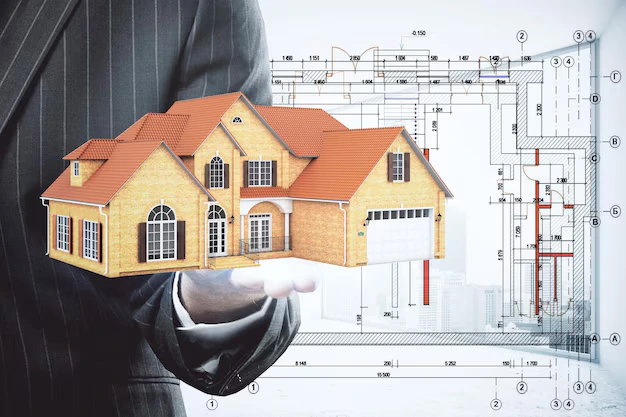
Residential projects tend to be small. This is in the single-family homes, renovations or additions to homes. These projects are less complex. The work is usually confined to a small number of trades such as flooring, painting, and electrical work. The scope is easy to understand and the requirements are simpler to define.
Commercial Estimating
Business projects are larger and more complicated. They consist of office buildings, shopping malls, hospitals and schools. Such projects are associated with additional teams and moving parts. You can also be required to estimate not only basic construction but also specialized systems. This may involve the HVAC (heating, ventilation, and air conditioning), elevators, fire suppression systems and a lot more. The building codes and other regulatory conditions in commercial projects are also tougher.
2. Complexity and Details
Commercial and residential developments are quite different in terms of complexity.
Residential Estimating
Residential projects are less complex. Variables to consider are less in number. Costs associated with flooring, roofing, plumbing and wiring may have to be estimated. The scale is less and the involved specialized systems are fewer. Residential projects are easier to estimate correctly due to predictability.
Commercial Estimating
Business endeavours are much more complicated. It is hard to estimate because of the number of systems, materials, and trades involved. You have to consider numerous contractors, building systems, structural work, electrical systems, and even site preparation. Commercial projects are such large that information collection and development of an estimate takes longer.
3. Accuracy and Precision
Accuracy is essential in residential and commercial projects. However, the need for precision varies depending on the project.
Residential Estimating
Accuracy is also still a factor in residential projects. Minor mistakes will not tend to make a big difference. It is possible to change the plans of homeowners in case of a minor inconvenience. They would choose a cheaper option if material costs are underestimated. It is possible to make minor changes in the project, and it does not impact the whole timeline significantly.
Commercial Estimating
Accuracy is a lot more imperative in business work. The tiniest error may result in big expenses or time loss. As an example, when you miscalculate the cost of electrical wiring or plumbing systems, the entire budget is liable to get off track. Commercial estimating is more precise in order to avoid issues in the future. A minor mistake can make a domino effect on various spheres of the project.
4. Cost Variations
Cost is one of the most important variations in residential and commercial estimating.
Residential Estimating
Home estimating services are also cheaper. Residential projects are small and, hence, it takes less time to estimate the project. Residential estimates will cost between 100 and 500 depending on the size and complexity of the project. These cost estimates include simple expenses such as materials, labor and permits.
Commercial Estimating
Commercial estimating is a costlier one. This is due to the larger, more detailed projects. Cost of estimation may vary between one thousand pounds and multiple thousands of pounds in case of a commercial project. This expense is related to the time and experience which is required to generate a right estimate. Commercial estimators must consider fees for large-scale systems, special work, and building codes.
5. Timeline for Estimates
The time required to accomplish an estimate may vary significantly in residential and commercial projects.
Residential Estimating
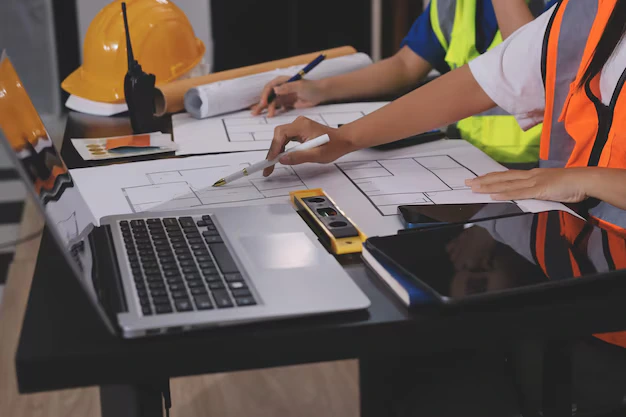
In the case of residential projects, the schedule is fairly brief. Majority of residential estimates can be done in a few days to one week. This procedure will involve estimators coming to the site and measuring and collecting the required information to be able to provide a detailed estimate. This method is a faster process, due to the less complicated nature of the residential projects.
Commercial Estimating
In business works, the schedule is significantly extended. The estimation process may take weeks or months. The estimator must obtain data from several sources, such as contractors, architects, engineers, and other experts. Business undertakings usually require much paperwork, licensing and checking of regulations. The complexity of the job takes time to come up with a precise and detailed estimate.
6. Types of Estimating Methods
The estimation techniques also vary according to the magnitude of the project.
Residential Estimating
Residential estimating is usually achieved by simpler techniques. The estimators can employ simple software or calculation to estimate the cost of the materials, labor, and other aspects. They can also use cost databases which present some standard prices of common materials and services. This makes residential estimating faster and cheaper.
Commercial Estimating
The commercial estimating involves more sophisticated approaches. In order to make these precise and detailed cost estimates, estimators tend to rely on specialized software, including Building Information Modeling (BIM). BIM is useful in enabling estimators to see the project as a whole, and therefore costs are calculated more accurately. Commercial projects must have a breakdown of every phase, material, and labor cost. This is what makes commercial estimating a more technical and time-consuming process.
7. Risk Factors and Contingencies
All construction projects have a certain amount of risk. The risk in residential and commercial projects, however, is different.
Residential Estimating
The risks are less in residential projects. The adjustments can be made by the homeowners in case of issues in the project. As an illustration, in case of a rise in the price of a material, homeowners may take a cheaper alternative. The residential projects have a shorter timeline, and therefore, there is no time to allow unforeseen delays to cost the budget greatly.
Commercial Estimating
Business undertakings are riskier. Such projects are bigger, more complicated and usually include a bigger number of contractors and specialists. Numerous variables need consideration, such as regulatory changes, material shortages, and construction delays. Commercial project estimators have a bigger contingency budget to cover such risks. This would make the project remain in budget, despite any unexpected difficulties.
Key Differences Summary
Here’s a quick summary of the key differences between residential and commercial estimating services:
How to Choose the Right Estimator for Your Project
The selection of an estimator is very important to the success of your project. It does not matter if it is residential or commercial, the right professional will save you time, money, and stress. The following is how to select the appropriate estimator in your project:
For Residential Projects
- Seek Experience: Identify estimators who have worked in the kind of work you are doing. It can be a renovation of a small house or a new house but be sure that they are well aware of your project.
- Transparency is Important: Select professionals who understand how they work. They would give a breakdown of costs in detail hence you know where your money is going.
- Good Communication: They must communicate effectively and inform you throughout the process. They must also be open to assist in changing the project in case of any unforeseen expenses.
For Commercial Projects
- Large-Scale Project Experience: Hire an estimator who has a track record of large commercial projects. They need to be familiar with the dynamics of commercial estimating.
- High-tech Tools: Be sure to use hi-tech estimating tools such as BIM. This assists in keeping a check on all the expenses including raw materials and the labor.
- Collaborative Skills: Seek an estimator that will handle different contractors and stakeholders. They should liaise with all the parties to ensure the project is within its budget.
Conclusion
When deciding to buy Construction estimating services in UK, you should understand the differences between residential and commercial projects. You can save time and money if you know how to make the correct decision before completing your home repairs. Or constructing a new office by learning about such concepts as scope, cost, and timeline. If you remember these concepts, you will be on your way to staying within your budget. You must ensure that your project is implemented as planned.