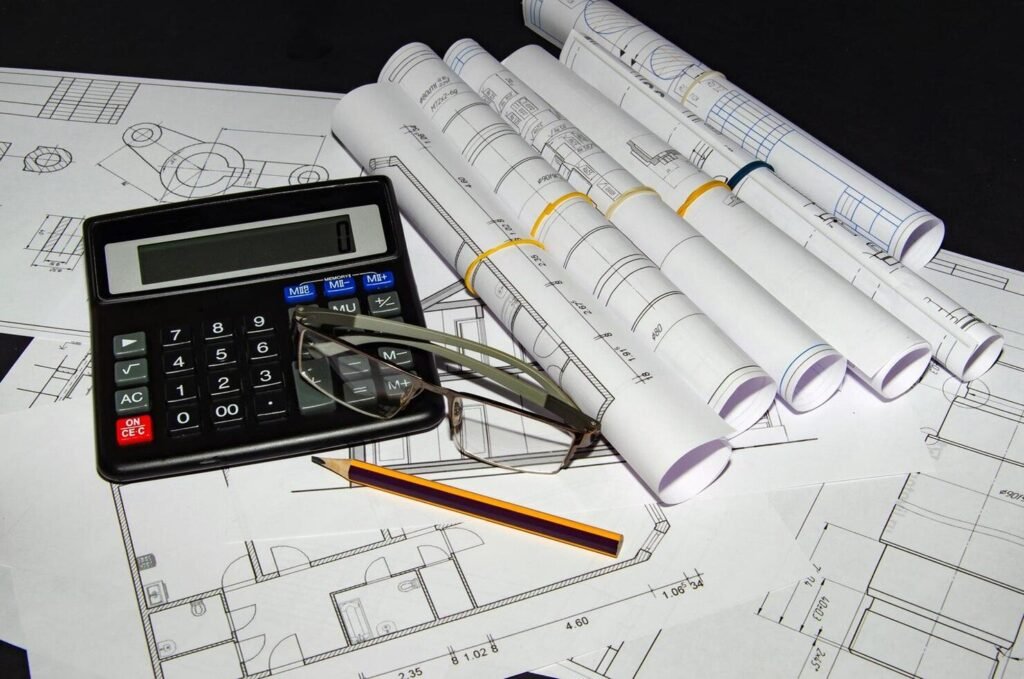
Material takeoff in building construction entails measuring, counting and listing all materials required to construct a project. It ensures that all the bricks, nails, and beams are on-site before workers arrive. Without a clear takeoff, projects often experience delays, overruns, and waste.
Quality material takeoffs are of great importance in construction planning. They ensure appropriate budgeting and timely delivery of materials.
Takeoffs can assist in ensuring that the correct quantity of materials is ordered to avoid shortages or surplus. This makes the operation more competent and cheaper, resulting in an improved project outcome.
Why Is Material Takeoff So Important?
Material takeoffs are crucial since they act as the basis of correct cost estimates. They give exact amounts of materials, which allows a budget and close financial control. When you are aware of the amount of material required, project managers are able to plan, manage budgets and eliminate delays. This will decrease the chances of expensive errors and ease of operation in the field.
Proper estimates of takeoffs ensure the correct materials are ordered when required, and your project proceeds smoothly. We are going to discuss the reasons material takeoffs are important and how they help your project.
The Construction Takeoff Process: A Step-by-Step Breakdown
Proper material takeoffs are the key to the success of any construction project. The process involves measuring, counting, and listing all materials by interpreting the construction drawings of the project. Accurate takeoff guarantees the production of appropriate amounts of materials. This will discourage waste, cost increases, and delays. The material takeoff process can be broken down into the following steps:
1. Review the Construction Drawings
The initial one is to carefully go through the construction drawings. Such plans will give all the specifications required in the project such as dimensions, materials and design specifications. Estimators should view the drawings thoroughly to obtain all the materials needed.
- Why This Step Matters: Knowing the drawings ensures all materials are identified. Overlooking even minor details can result in inaccuracies in quantities resulting in delays or cost overruns.
2. Extract Materials from the Drawings
Once the drawings have been reviewed, the next thing is to outsource the listed materials. This includes defining all the items required, including the primary structural materials such as concrete, steel and timber plus smaller materials such as nails and electrical wiring.
- Why This Step Matters: This makes sure that risk of missing materials is eliminated. Comprehensive extraction process minimizes chances of missing important materials that might lead to delays.
3. Measure and Quantify the Materials
Next, the estimator measures and quantifies materials required depending on the project design. This involves the measurement of wall length, flooring or concrete volume. Estimators can either measure directly out of the drawings or utilize digital tools in making more accurate takeoffs.
- Why This Step Matters: Proper measurements and quantities ensure that the order is not made too much or too little. Underordering leads to delays, and overordering wastes resources and raises costs.
4. Create a Bill of Quantities (BOQ)
Once the quantities have been calculated, the estimator compiles the quantities into Bill of Quantities (BOQ). The BOQ contains all the materials, their quantities and even estimated costs. It is an essential procurement document, assisting the team to figure out the materials required and at what time.
- Why This Step Matters: The BOQ allows procurement teams to make accurate plans in material deliveries. It also serves as a reference for any modifications or alterations that may arise in the future of the project.
5. Check and Confirm Takeoff
The estimator must verify every quantity and measurement before completing the takeoff. This procedure includes verification against initial drawings and verification of calculations. Estimators can talk to architects or engineers so that nothing goes wrong.
- Why This Step Matters: Checking minimizes the chances of errors. Early accuracy would save the project a lot of expensive mistakes in the future.
6. Order Materials Based on the Takeoff
When the takeoff is final and the BOQ has been checked, the materials are ordered. The procurement team uses the BOQ and material quantities to place material orders with suppliers and ensure their availability on demand.
- Why This Step Matters: It avoids delays at the site of work by ordering the materials properly and in time. On-time shipments prevent project delays and material shortages.
7. Observe and revise the Takeoff in Construction
Changes can occur as the project evolves, including unexpected events, design adjustments, or client demands. Update the material takeoff frequently to reflect these changes. This will keep the BOQ correct during the project lifecycle.
- Why This Step Matters: The update of the takeoff helps keep the project on track with the initial estimates. This will avoid shortages in materials and overstocking and also assist in making the project stay within budget.
8. Assess Material Usage and Adjust
Track the consumption of materials during construction. Compare the real usage rates and the original estimates. In case usage is not as expected, there might be a need to make some changes.
- Why This Step Matters: Analysis of the material usage will also reveal discrepancies at an early stage. Adaptation will prevent you from running out of supplies or buying too many, making work efficient and affordable.
Manual vs. Digital Material Takeoffs
The conventional approach to material takeoff is the use of spreadsheets, calculators, and rulers. Even though this method is still being used, it is slow and subject to error. Larger jobs or projects with detailed designs do not benefit from this method.
Conversely, digital takeoffs employ dedicated software that derives amounts out of construction drawings.
These are time-saving tools that enhance precision. Digital tools make the process quicker, and the possibility of human error is minimized.
Combining digital tools with Building Information Modeling (BIM) and project management applications improves coordination among teams and streamlines the overall process.
Best Tools and Technologies for Precise Material Takeoffs
Software to facilitate easier and more accurate material takeoffs is available in large numbers. Estimators use popular packages such as PlanSwift and Bluebeam to extract quantities using digital drawings. These tools make the process quicker and more accurate and project managers find it easier to manage costs and schedules.
BIM and cloud-based technologies are next-generation technologies that enhance accuracy. These technologies enable teams to communicate in real-time and make needed changes to takeoffs. Through the digital tools, the process will be more transparent and thus it will be easy to handle the whole construction project in every aspect.
Common Mistakes to Avoid in Material Takeoffs
Misunderstanding of construction plans is the most frequent error made during material takeoffs. The slightest inaccuracy in the interpretation of building plans may result in the wrong quantities of materials. This brings about delays and unnecessary expenditures.
The second error is the failure to revise the material takeoff as the project progresses. The materials may be affected in case of design alterations or unforeseen issues.
Failure to revise the Bill of Quantities (BOQ) as the project moves along the road might lead to construction delays due to either lack of materials or excessive stocking.
Factors to Consider for Precise Material Takeoffs
Material takeoffs depend much on the quality of construction drawings. When drawings are not clear or well drawn, mistakes in the material quantities may arise. This causes miscalculations or omissions and this may affect the whole project. To ensure precise takeoffs, one needs to deal with properly annotated and updated drawings.
The other consideration is the type of material. Various materials, like steel, timber or concrete are measured differently. Estimators must apply the right measure of each material to have accurate material takeoffs. This makes all the materials accounted accurately and efficiently.
The Future of Material Takeoffs in Construction
The process of material takeoffs is changing due to AI and automation. AI can now enable estimators to examine construction drawings rapidly and establish the material required. This saves time and enhances accuracy of the takeoffs.
BIM and Digital Twins technologies are also making material takeoffs smoother. Estimators always have the latest information as designs change and recalculate material quantities. The goal of these technologies is to enhance accuracy and speed, and eventually lead to faster project turnarounds.
Conclusion
Precise material takeoffs will determine the success of any construction project. They reduce wastage, eliminate cost overruns, and enhance efficiency. Correct takeoffs result in timely delivery of materials, and the project remains on schedule.
Construction teams can also automate material takeoff by implementing digital tools and technologies such as BIM. Current drawings also guarantee that the takeoffs are as precise as possible, which results in smoother project implementation.
With the construction industry adopting new technologies, material takeoffs will be more accurate. It will lead to quicker and less costly projects. With proper material takeoffs, you can avoid common construction issues and win your project.