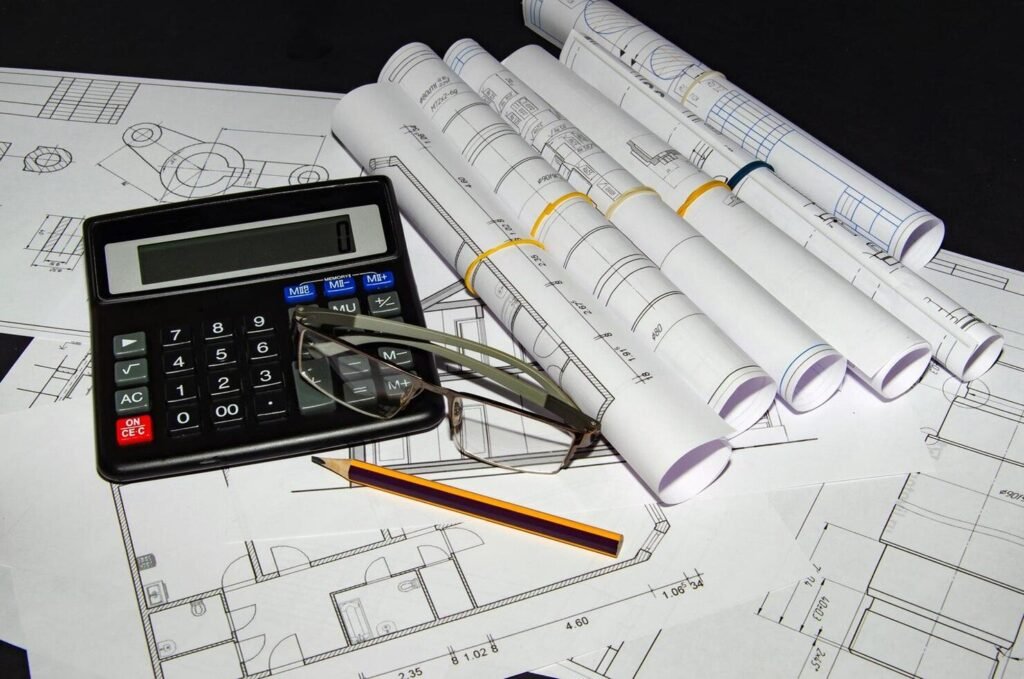
Timber remains one of the most widely used construction materials in the UK. From residential extensions to large timber frame housing developments, wood plays a critical structural and finishing role. However, timber prices have fluctuated significantly over the past few years. Supply chain disruptions, import costs, and demand shifts have made accurate estimation more important than ever.
If you over order timber, you lock up cash flow and increase site waste. If you under-order, you delay your project and increase emergency procurement costs.
This is why timber takeoff services are now essential for UK contractors.
Timber takeoff services help you calculate the exact quantity of wood required for framing, joists, rafters, trusses, flooring systems, cladding, and joinery. These services ensure accurate material planning before construction begins.
In this 2026 UK guide, you will learn what timber takeoff services include, what types of companies offer them, key providers in the UK market, pricing expectations, and how to choose the right partner for your business.
What Are Timber Takeoff Services?
Timber takeoff services involve detailed measurement and calculation of all wood based materials required for a construction project.
A professional estimator reviews architectural and structural drawings. They measure lengths, areas, volumes, and counts of timber components. Then they prepare a structured quantity report.
Timber takeoffs typically include the following:
- Structural timber framing
- Floor joists
- Roof rafters and trusses
- Stud walls
- Plywood and OSB sheets
- Decking boards
- Timber cladding
- Joinery materials
Timber requires careful measurement because waste factors matter. Wood cutting, offcuts, overlaps, and structural spacing all affect final quantities.
General material takeoff services may include timber. However, timber specific takeoff requires a deeper understanding of framing systems and structural layouts.
This specialised approach reduces costly miscalculations.
Why Timber Takeoff Is Critical for UK Contractors
Timber costs have remained unpredictable in the UK market. Even small pricing changes can impact overall project profit.
Accurate timber takeoff helps you order the correct quantities. You avoid over-purchasing. You avoid unnecessary storage costs.
You also reduce material waste. Timber waste increases disposal fees and impacts sustainability goals.
Most importantly, precise timber quantities help you prepare competitive tenders. When your material estimate is accurate, your pricing becomes confident and controlled.
Incorrect timber measurement can easily reduce profit margins by thousands of pounds on a single project.
Professional timber takeoff services protect your bottom line.
Types of Companies That Offer Timber Takeoff Services in the UK
Different types of companies provide timber takeoff services. You should understand the differences before choosing a provider.
Quantity Surveying Firms
Quantity surveying firms offer professional measurement and cost planning services. Many QS firms in the UK provide detailed material takeoff as part of their services.
They often work on commercial projects, housing developments, and large timber-frame builds.
QS firms are ideal if you require full BOQ preparation alongside timber measurement.
Construction Estimating Companies
Construction estimating companies specialize in material takeoff and cost estimation.
They measure all project materials, including timber. They provide structured reports that contractors use during tender submissions.
These companies are suitable for both small builders and larger contractors.
Freelance Takeoff Specialists
Freelance takeoff professionals work independently. They provide timber quantity measurement remotely.
Freelancers often offer flexible pricing. They are cost effective for small to medium contractors.
If you need fast turnaround and personalized service, freelance specialists can be a practical solution.
Timber Frame Manufacturers
Some UK timber frame manufacturers provide in-house estimation services.
If you purchase prefabricated timber systems, the manufacturer may calculate structural timber quantities for you.
However, this service usually covers only the supplied components, not a full breakdown of project materials.
Key UK Companies Offering Timber Takeoff Services
Several companies across the UK provide timber takeoff services either directly or as part of broader estimating support.
Many quantity surveying firms, such as regional commercial QS consultancies, include timber measurement in their BOQ services.
Construction estimating companies operating nationally offer trade specific takeoffs, including structural timber framing, joinery, and wood finishing materials.
Independent freelance estimators across the UK provide affordable timber takeoff services for residential and commercial contractors.
When selecting a company, review:
Their experience with timber
- frame construction
- Sample reports
- Software tools used
- Turnaround time
- Pricing structure
The best provider is not always the largest firm. It is the one that understands your project type.
What to Look for in a Timber Takeoff Service Provider
You should evaluate providers carefully before hiring.
First, check experience in UK construction projects. Timber framing standards vary. Knowledge of UK building regulations matters.
Second, confirm that they use modern digital takeoff software. Manual measurement increases error risk.
Third, review sample reports. Clear and structured documentation improves tender presentation.
Fourth, ask about turnaround time. Construction deadlines are strict. You need reliable delivery.
Fifth, confirm data confidentiality. You share architectural drawings and pricing strategy. Secure file handling is essential.
Finally, evaluate communication quality. Direct and clear communication reduces misunderstandings.
Cost of Timber Takeoff Services in the UK
Pricing varies depending on project size and complexity.
For small residential extensions, timber takeoff services may cost between £250 and £700.
Medium housing projects may range between £700 and £2,000.
Large commercial timber-frame projects may cost several thousand pounds, depending on the scope.
Pricing depends on:
- Project size
- Drawing detail
- Turnaround urgency
- Level of reporting required
- Trade complexity
Freelance specialists may offer lower rates compared to large firms. However, always prioritise accuracy over low cost.
A small investment in professional takeoff can prevent major financial loss.
In-House vs Outsourced Timber Takeoff
Some contractors consider hiring in-house estimators.
Hiring a full time estimator in the UK can cost £40,000 or more annually. You also pay for software, training, and overhead.
Outsourcing timber takeoff services allows you to pay per project. This keeps costs flexible.
If your company handles occasional timber projects, outsourcing is more cost-effective.
If you manage high tender volumes weekly, in-house estimation may make sense.
Many growing contractors use a hybrid model. They maintain internal estimates but outsource complex timber framing projects.
How Timber Takeoff Services Help You Win More Bids
Accurate timber measurement improves bid competitiveness.
When you calculate exact timber quantities, you price precisely. You avoid unnecessary buffer margins.
Clients notice structured BOQs. Professional documentation builds trust.
Reduced material risk also protects your profit if you win the project.
Timber takeoff services increase confidence in your pricing strategy.
Confidence improves bid submission quality.
Quality improves the win rate.
Common Mistakes Contractors Make in Timber Estimation
Many contractors still rely on rough calculations when estimating timber. This approach creates avoidable problems.
One common mistake is ignoring waste factors. Timber cutting always produces offcuts. If you do not include the waste percentage, your site runs short.
Another mistake is misreading structural drawings. Stud spacing, joist intervals, and roof pitch directly affect timber quantity. Even a small measurement error can multiply across the project.
Some contractors forget secondary timber components such as noggins, bracing, blocking, and connectors. These items may look minor, but they add significant cost.
Another issue is failing to adjust for design revisions. If drawings change and you do not update quantities, your estimate becomes inaccurate.
Professional timber takeoff services eliminate these risks by reviewing every detail carefully.
Digital Tools Used in Timber Takeoff Services
Modern timber takeoff providers use specialized digital software.
These tools allow precise measurement directly from PDF, CAD, or BIM models. They calculate lengths, areas, and volumes automatically.
Digital takeoff software reduces manual errors. It improves consistency. It also allows quick updates if drawings change.
Some advanced systems extract timber quantities directly from 3D BIM models. This improves speed and reduces double work.
When choosing a provider, ask what software they use. Digital systems usually indicate higher accuracy and a professional workflow.
Timber Takeoff for Residential vs Commercial Projects
Timber takeoff requirements vary depending on project type.
Residential projects usually involve simpler framing systems. Stud walls, roof rafters, and floor joists follow standard layouts. Estimation is more straightforward but still requires precision.
Commercial timber frame projects are more complex. They may include engineered timber, glulam beams, large span roof systems, and fire-rated assemblies. These projects demand a detailed understanding of structure.
Mixed-use developments also require coordination among timber, steel, and concrete elements.
If you handle commercial projects, choose a timber takeoff provider with extensive experience at that scale.
Future of Timber Takeoff Services in the UK
The UK construction industry is moving toward sustainability and digital integration.
Timber use is increasing due to environmental goals and carbon reduction strategies. Engineered wood products are becoming more common.
At the same time, BIM adoption continues to grow. This means timber takeoff services will increasingly rely on 3D model-based quantity extraction.
Contractors who adapt to digital timber estimation will gain a competitive edge.
Accurate timber planning will not only improve profitability but also support sustainable construction practices.
Final Thoughts
Timber takeoff services are no longer optional in the UK construction industry. Rising timber prices and competitive tendering demand precision.
Quantity surveying firms, construction estimating companies, freelance specialists, and some timber frame manufacturers offer timber takeoff services.
The right provider depends on your project type, budget, and workload.
Focus on accuracy, experience, and reliability. Do not choose purely on the basis of the lowest cost.
Accurate timber takeoff protects profit, reduces waste, and strengthens your tenders.
If you want better cost control and improved bidding success in 2026, professional timber takeoff services can give your business a strong competitive advantage.